
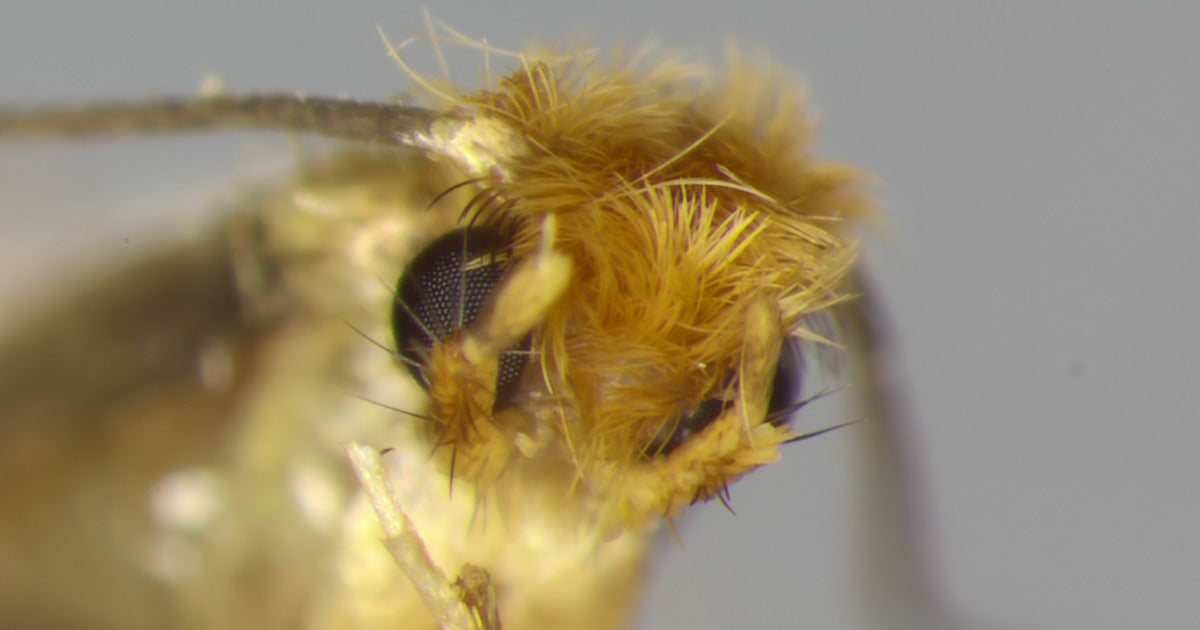
Clothes Moth Larvae Can Cause Extensive Damage To Knitwear, Carpets, Rugs & A Range Of Fabrics
Clothes Moths can be a common and consistent pest in homes. There are two main culprit species which cause similar damage. Most commonly identified is the Webbing Clothes Moth, Tineola bisselliella. The larvae of this species can be found feeding within a dense webbing. Another common Clothes Moth species is the Case-Making Clothes Moth, Tinea pellionella. The larvae of this species often create a small case for themselves out of clothing fibres.

The larvae of both these species of Clothes Moth will damage clothing fibres.
The larvae of Clothes Moth will feed on, and damage, many different types of garments, especially those of natural origin such as natural wool. Carpets can also be attacked, and warm, contained environments, such as wardrobes, cupboards and airing cupboards, provide an ideal environment for the larvae to develop. The larvae or caterpillars will make irregular holes in fabrics.

An example of typical Clothes Moth larvae damage to fabric.
Clothes Moths can be active all year round between temperatures of 10 and 33°C, with up to 4 life cycles per year. Although the adult moths may only survive up to a month, the larvae survive and feed for 2-3 months at a time.
Use Our Clothes Moth Traps & Trichogramma Parasitic Wasps To Fend Off Infestations
To identify if Clothes Moths are present before you sustain damage, we recommend placing a Clothes Moth Pheromone Trap near, or on, some clothing. This will lure and catch male Clothes Moths and provide you with an early warning of impending Clothes Moth activity.

Our Clothes Moth Traps lure & catch male Clothes Moths. This reduces mating, depleting moth numbers, and also provides you with an infestations indicator.
Clothes Moth Egg Killer Sachets
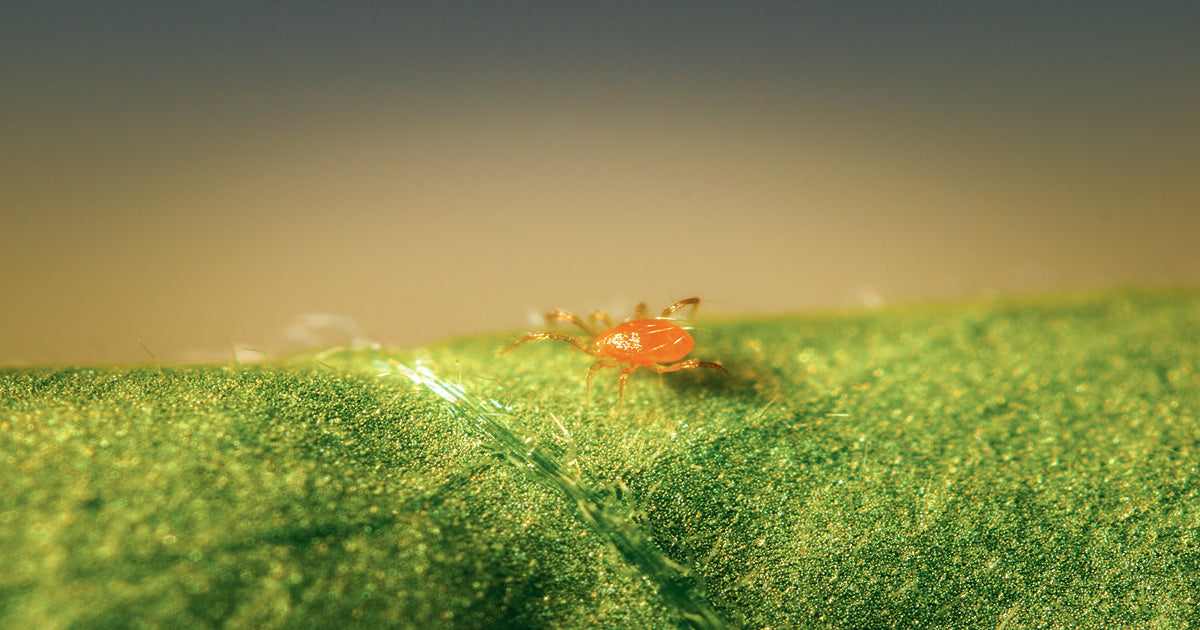
For a natural and biological control of Clothes Moths, introduce our Clothes Moth egg parasite: Trichogramma evanescens. These brilliant parasitic wasps will seek out Clothes Moth eggs, parasitising them and laying their own eggs inside, killing the unborn Clothes moth larvae. They are harmless to humans and animals and remain only for as long as there are Clothes Moth eggs present.
These tiny wasps are supplied inside a sachet which releases approximately 2000 wasps each week. Simply place the sachet within your wardrobes, cupboards, or drawers, or on top of clothing or infested carpets. Each sachet contains a readymade release hole so does not require opening.

Our Clothes Moth Egg Killer Sachets contain tiny parasitic wasps which parasitise and kill Clothes Moth eggs.
Select From Our Scheduled Programmes Of Clothes Moth Egg Killer Sachets For Best Results
The most effective way to utilise Clothes Moth Egg Killer Sachets is by opting for a scheduled programme of introductions. We have a wide range of programme options available to suit a variety of needs. The programmes are designed with the aim to fully break the Clothes Moth life cycles and range from introductions of 1 sachet per month for 2 months to 10 sachets per month for 12 months. Individual or single use instructions are also available if you'd like to see results for yourself before committing to a programme.

Opt for programme of Clothes Moth Egg Killer Sachet Introductions for best results.
Trichogramma wasps cannot be stored for more than a few days before use. When using multiple applications, opt for fresh deliveries rather than storing the sachets.
Comments (12 Responses)
Robin
Moths in an apartment. Would or could you sell to Canada?
Aylin
I was wondering how to give food and water to my tiny micro wasp army. I want them to be tough for the fight against my clothes moths and heard that they would in nature drink sweet plant sap. Is there something you would suggest as a substitute? They are so so small (almost invisible to the eye) but if you get a 30x magnifying glass up to them they are fascinating! Thanks!
Connie Mottram
Hi Julian, the link for the different programmes to treat clothes moths isn’t working and I’d really appreciate some advice on frequency and quantity of products to buy. I’ve recently noticed a big increase in adult moths, suggesting the babies are also increasing and eating my clothes. Thanks
Julian Ives
Hi Julie,
Many thanks for getting in touch.
Once sachets are in situ, we would advise to avoid hoovering the area they have been applied in for 7-10 days. We understand that suspending hoovering for longer than this is unrealistic, so after such time has elapsed we suggest you try to hoover main thoroughfares only. Essentially it would be best to try to keep hoovering to a minimum for 3 weeks after application of the sachets to allow all of the tiny parasitic wasps to safely emerge to locate as many Clothes Moth eggs as possible.
I hope this helps but if you need any further assistance please don’t hesitate to ask and we’d be more than happy to help.
Kind regards, Julian Ives [Director, Dragonfli]


03 June, 2026
Mo Wilde
Have had the wasps out for 2 months now and about to start the third set of sachets. Still seeing the odd moth flying about and found one live Case Moth larvae on a dress in the wardrobe (doors had been left open for the wasps). How long should I wait, after I put the third sachet, to be sure the moths have gone? If for example, the answer is 6 weeks, but then in week 7 I see some flying moths, do I then have to do another month of treatment? Thanks