
Moth Populations Have Boomed Over A Warm & Wet Summer
The summer was one of a typically British variety, with the weather warm but often wet and cloudy. These conditions may not have been too enjoyable for us but they been enjoyed by certain pests such as some moth species. The wet and warm conditions have been ideal for the population growth of these pests. We have recently seen an influx of the Diamondback Moths, for example. These moths produce caterpillars that can cause serious damage to Brassica crops and plants.


Diamondback Moths have benefitted from the summer conditions, producing caterpillars which have been devastating Brassica crop.
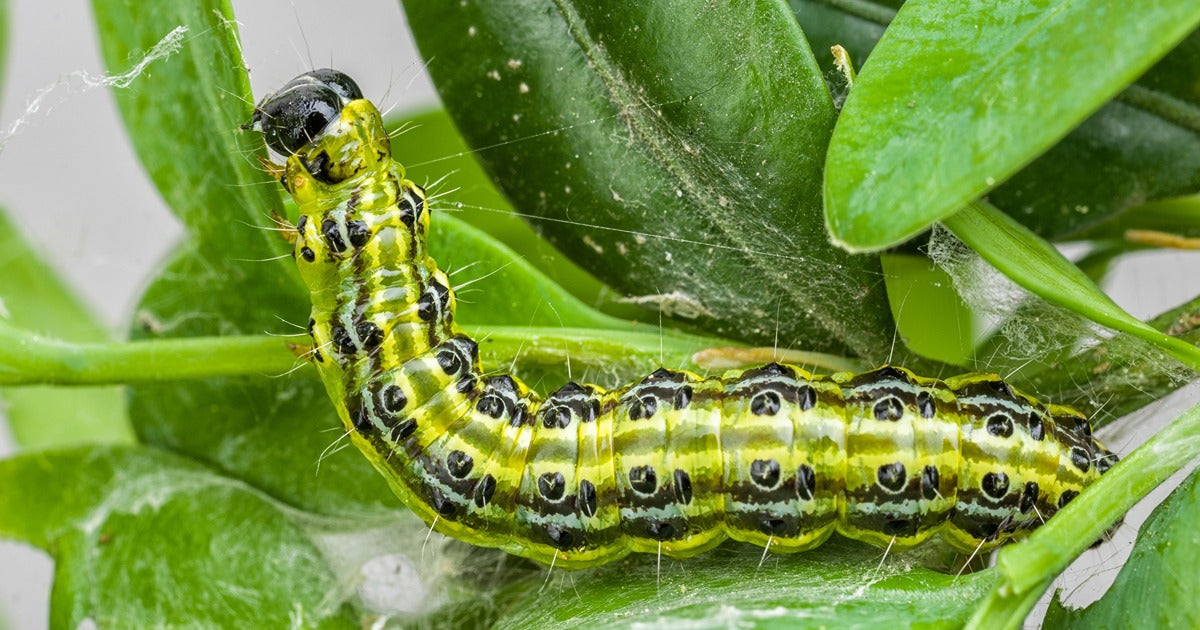
Another moth which has seen its population flourish this summer, is the new invasive moth species: the Box Tree Moth. This moth has arrived in the south east of the U.K., after originating from South Asia.

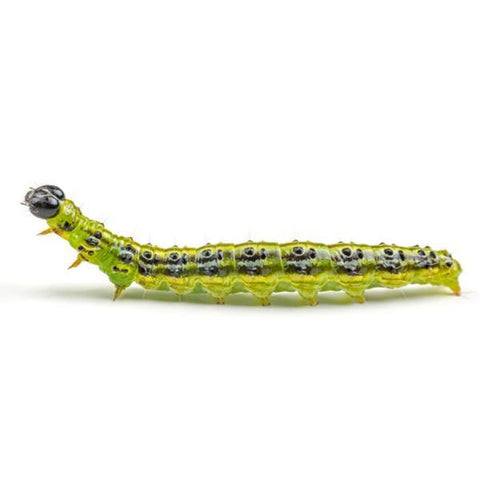
The Box Tree Moth has arrived from South Asia and also produces a caterpillar which has been frustrating gardeners. The Box Tree Caterpillar is capable of completely destroying Box plants.
Typical Box Tree Caterpillar Damage
Box Tree Caterpillars can have a devastating impact on Box plants and hedges. The caterpillars shred the plant leaves and Box hedges are left looking as if they are suffering from serious die-back, although these symptoms must not be confused with Box blight, which is a fungal disease that Box plants can experience. Box Tree Caterpillars eventually spin white webs around themselves as they pupate. This can make it challenging to treat them.
If you think you are suffering from a Box Tree Caterpillar infestation, you can take part in a survey on the RHS website to help them track their spread across the U.K.

Box Tree Caterpillar damage to a Box Hedge.

If you look closely at the image you can spot the caterpillars among the leaves they've shredded.
Dragonfli's Natural Control Solutions For Box Tree Caterpillars
Box Tree Caterpillar Moth Pheromone Traps
To successfully monitor and control this pest, you should consider purchasing our Box Tree Caterpillar Moth Traps. The trap utilises a species specific pheromone lure to attract the male Box Tree Moths to drop into the funnel trap, where they are caught and drowned, or caught on the circular sticky pad insert, depending on your preferred control method. This helps to prevent male moths mating, which in turn reduces female egg laying and reduces the development of the damaging caterpillars.


A perfectly placed Box Tree Trap and the previous successful haul of caught Box Tree Moths.
Box Tree Caterpillar Killer Nematodes
If caterpillars do appear on the box plants, it is still possible to treat them with our Box Tree Caterpillar Killer Nematodes. These nematodes should be watered directly onto the Box Tree Caterpillars where they will then proceed to enter the caterpillars, via a natural opening such as the mouth, and consume them from inside! The nematodes will reproduce inside the caterpillars and emerge from the then dead pest to seek out further caterpillars to infect.
Box Tree Caterpillar Killer Nematodes are most easily applied with the use of our specific nematode applicator sprayers. The sprayers will allow for easy coverage over multiple, or large, Box plants. Find our dedicated Nema Super Sprayer here.


Easily apply our fantastic Box Tree Caterpillar Killer Nematodes to your Box plants with our Nema Super Sprayer and enjoy control over this horrible new pest.


05 May, 2022
Mark Collins
We have them here in Bournemouth