Sold Out
Dragonfli's Bumblebee colonies have recently been updated and are now available as Natupol Smart Colonies. These colonies appear physically smaller than the previous Beepol colonies, which were of commercial sizing, but are now more suited for hobby and garden use.
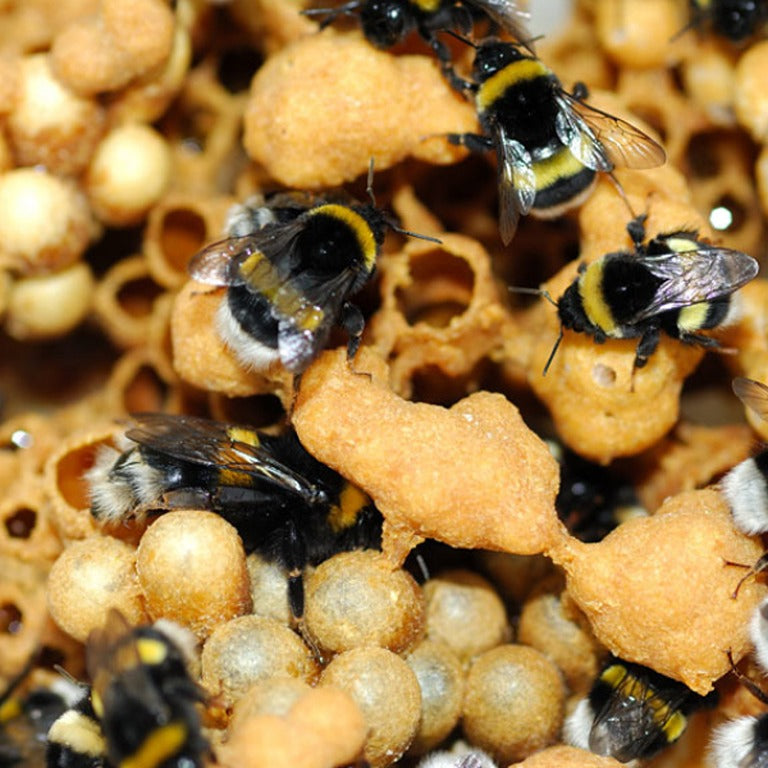
The colonies consist of UK nativeBombus terrestris audax Bumblebees, also known as Buff-tailed Bumblebees. Each colony includes:
Bumblebees are fantastic pollinators and wonderful to observe at work in, and around, the garden.
Natupol Smart Bumblebee Colonies are a great help to growers with polythene tunnels and glasshouses. Plants located within these indoor environments will benefit from improved pollination. Fruit and vegetable yields, in plants such as Tomatoes, will be bolstered as a consequence.
A simple trap door on the outside of the colony should be opened to release the bees. The worker bees will then orientate themselves as to where the colony is located. The workers will then start flying back and forth to the colony with their pollen loads to feed the young bee larvae inside.
Full instructions will be provided with the colony.
After introduction of the hive, worker bumblebees will start pollinating the flowers and collecting pollen to feed the brood. More workers will emerge from the brood in the weeks after the introduction, increasing both colony size and pollination performance.
After some weeks the colony will reach its peak and start declining in size and pollination activity. Colony development depends on environmental conditions and the amount and quality of available pollen.
Once all activity has stopped inside the colony, it can be removed. A new colony can then be ordered to continue pollination, or pre-ordered to use for the following season.
These colonies are now available to order. Just click on your preferred delivery date and add it to your online basket.
Bumblebee delivery dates are available between April - September 2026. Orders are delivered by the courier APC and there is a shipping charge of £10.75 per order.
Previous Customers (That Own Our Timber Villas) Can Enjoy Housing Colonies
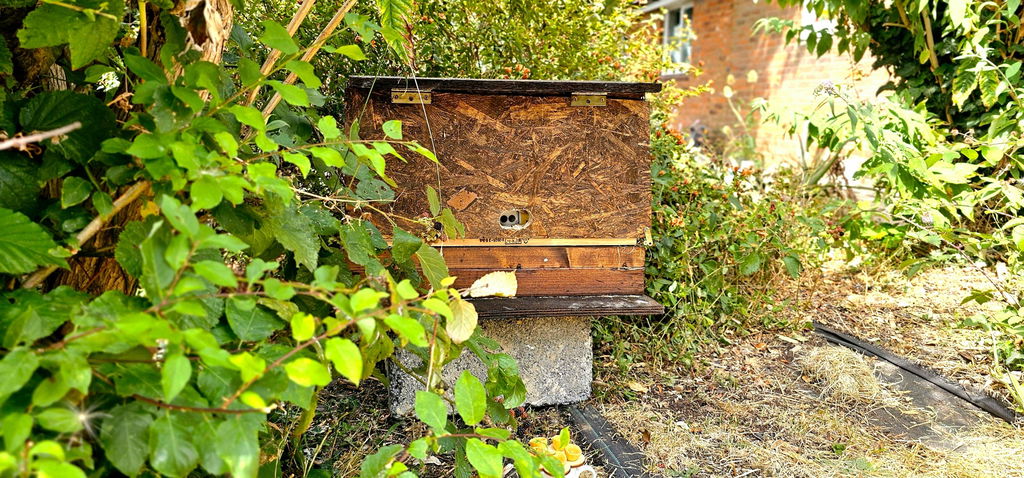
Our new Bumblebee Colonies will fit inside our previously available custom Wooden Villas. Owners of these villas simply need to place the colony inside the structure, ensuring, if possible, that the colony lines up to the villa exit hole. Don't worry if this is not possible, as the Bumblebees will be able to map and navigate their way out of the villa anyway. Pull the white plastic sliding door upwards until it is removed to release the Bees. Please do not tinker with the placement of the colony once it has been set as this may confuse the Bees.
New Customers Can Place Colonies In Greenhouses, Glasshouses, Polytunnels Or Makeshift Shelters
If you are a new Bumblebee Colony customer and wish to place your colony outside, please ensure you have a requisite shelter available. Colonies are best stored in greenhouses, glasshouses and polytunnels; with plenty of access and proximity to flowering plants. Pull the white plastic sliding door upwards until it is removed to release the Bees. Please do not tinker with the placement of the colony once it has been set as this may confuse the Bees.
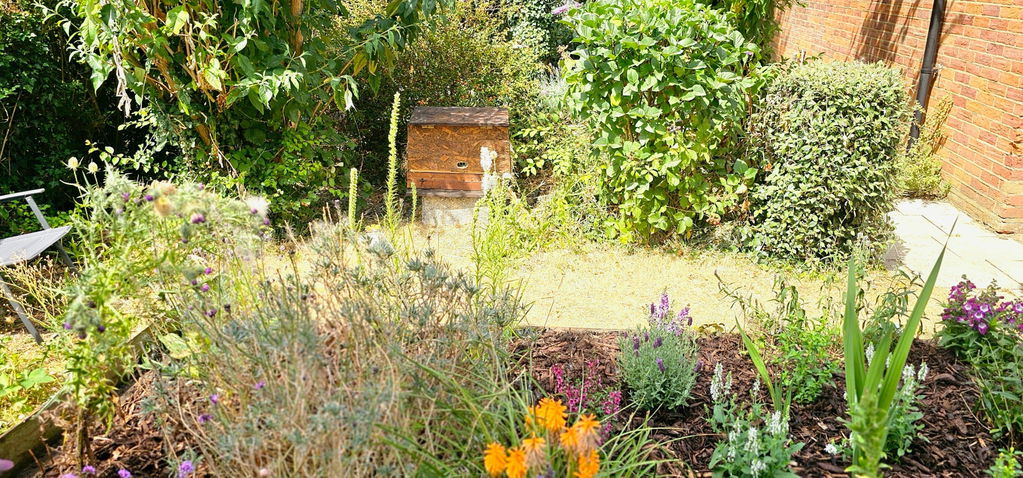
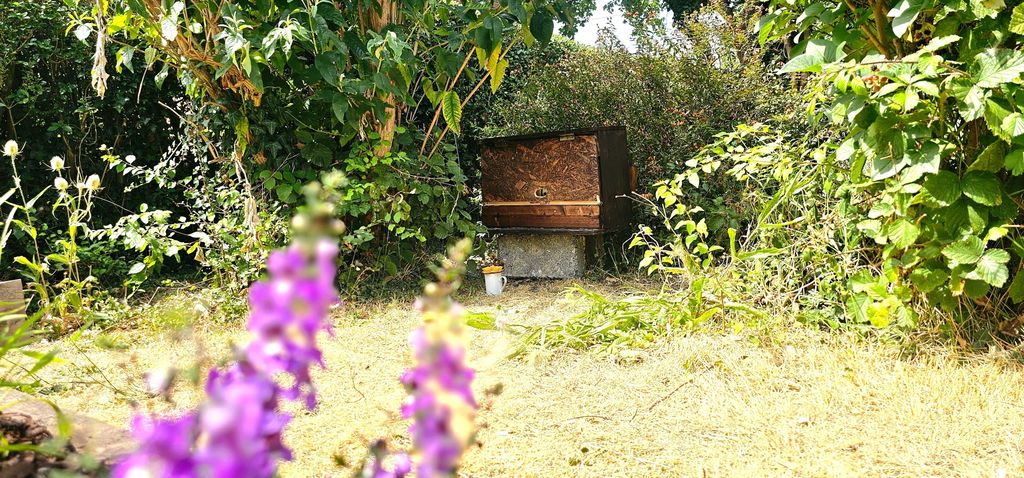
Once the Live Bumblebee Colony has been delivered and installed in your villa, the enjoyment of watching a live Bumblebee colony in action in your garden can begin!
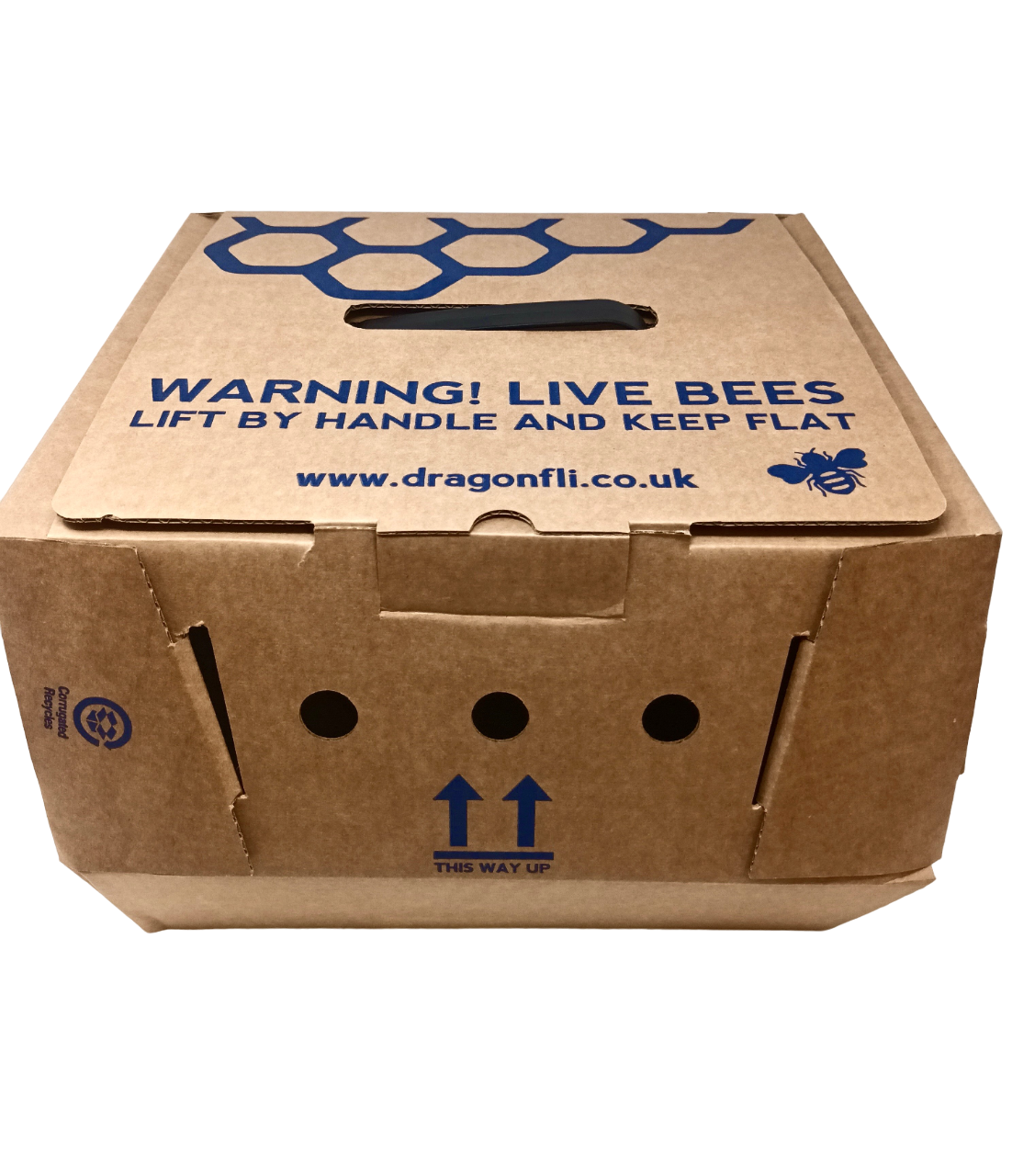
W 25cm x D 23.5cm x H 16cm
Should your colony be attacked by the natural pest, the Wax Moth, we strongly recommend our Wax Moth Killer Nematodes. These nematodes are deadly to the Wax Moth grubs but safe to the humans and wildlife. The nematodes enter the grubs via a natural opening, like the mouth, and feed on the contents of the grubs. A natural bacterium is produced by the nematodes inside the grubs, which kills it. Infected grubs will be completely broken down by the nematodes and will often turn brown. The nematodes also reproduce inside the grubs, releasing more nematodes into the surrounding area. Please only apply these nematodes when Wax Moth larvae are clearly visible.
Wanted to say what an awesome setup
Bumblebees arrived in a very cool hive
I made it a home before hand to give shelter etc
Sister loved her birthday present and we sat for hours watching these little winged gems flying in and out
Simply an amazing gift and so so well done
The title says it all
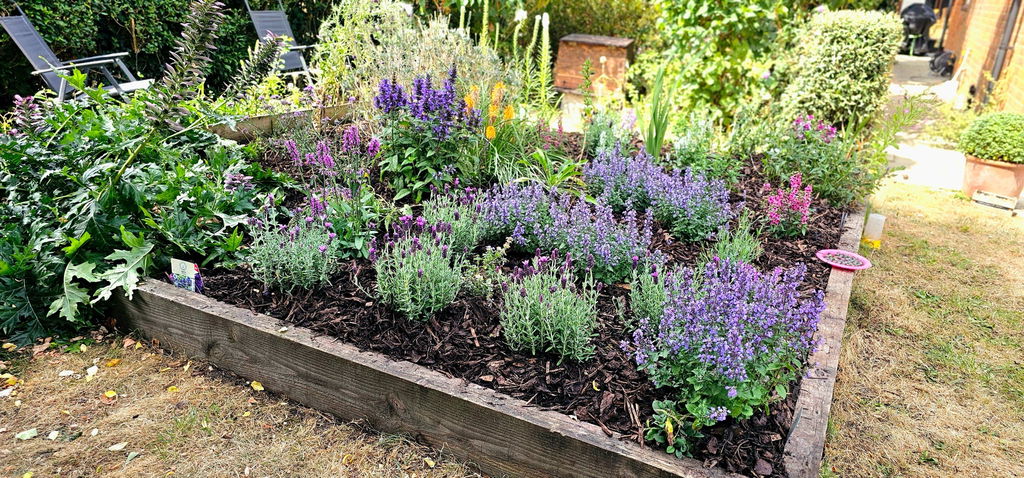
It is a joy to see the bumblebees working in my organic wildlife garden. I have an enthusiastic gardener who helps me each week to establish my garden with all the plants necessary for encouraging and feeding the bumblebee colony that I purchased. In April when they came they were placed in the patio and were able to feed on all the blossoms that had come out, pear, apple and plum. Now they have the blossom from the large whitebeam tree in the garden. The various roses are also out. I can really recommend Dragonfli.co.uk . They are a very good company to use.
I've been buying a brood from you for many years and have always been pleased. I even have an original "hive" which gets a clean and paint job each spring. Chose an early delivery this year and there's plenty of activity every day.
I have had this method of having bees for several years.
I first started to see if there would be an increase in the harvest of soft fruit that I grow plus other fruit trees in the garden.
Fertilising the blossom did and continues to increase the harvest of soft fruit and larger trees.